
Disposable vs reusable nipple covers: which to choose
Disposable vs reusable nipple covers compared: feel, how long they last, cost per wear, cleaning, sensitive skin and which suits how often you wear them.
Nipple covers come in two big families: reusable ones, usually silicone, and disposable ones, usually thin fabric. Both do the same basic job, smooth coverage under thin tops and backless dresses. Where they differ is in feel, upkeep and how they fit into your week. Here is how to decide.
What is the difference between disposable and reusable nipple covers?
- Reusable covers are usually silicone with a self-adhesive surface. You wash them after each wear and use them again until the stickiness fades.
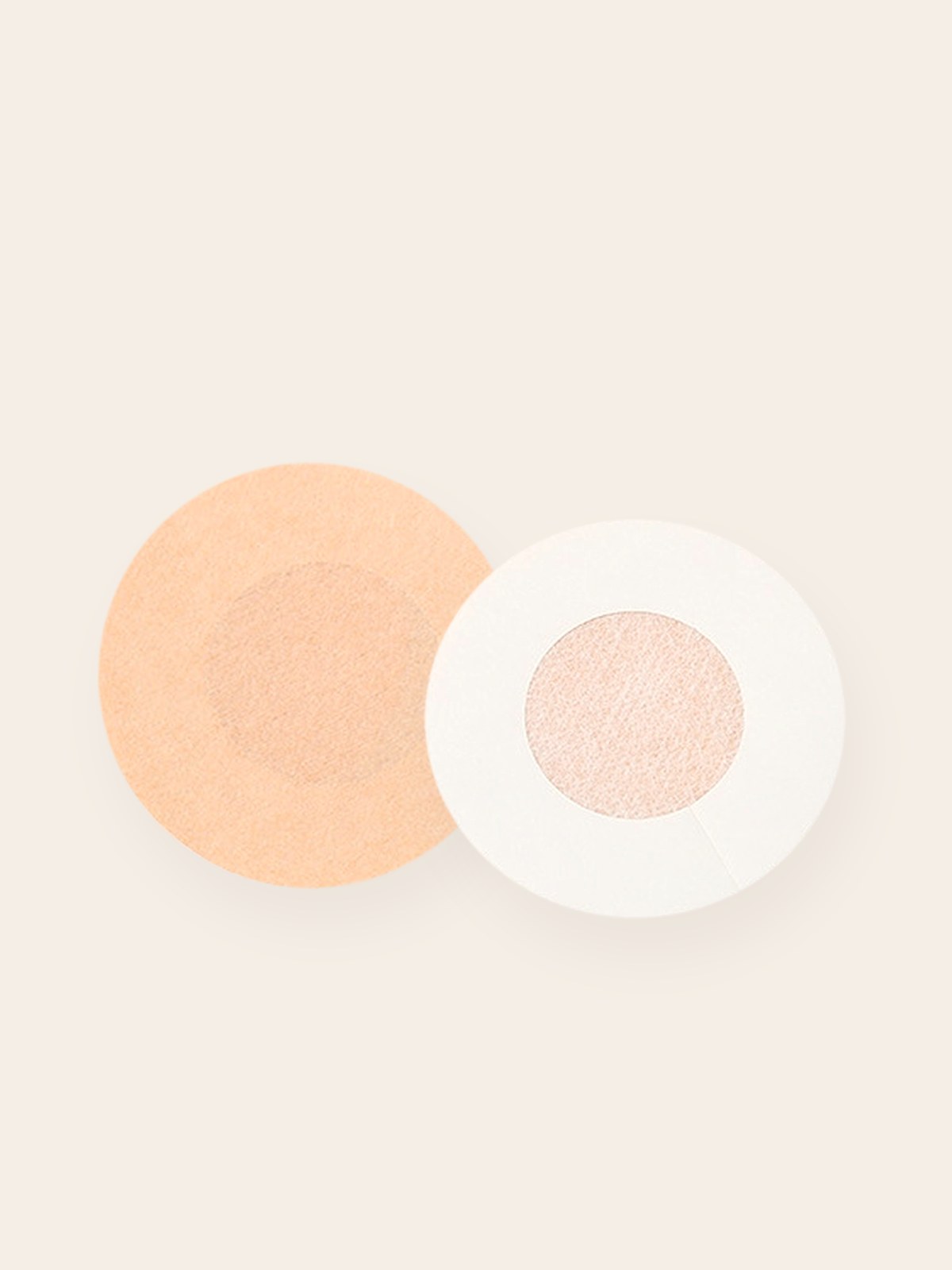
- Disposable covers are thin pieces, often fabric, with adhesive on one side. You wear them once and throw them away.
Krvvy describes disposables as thinner and flatter, with less profile under sheer fabrics, while silicone has a contoured shape and can show under very sheer fabric unless you choose a petal-thin version.
Pros and cons of reusable nipple covers
- Pro: less waste. Boomba points out they can be washed and reused many times.
- Pro: lower cost per wear if you wear them often. Boomba says the upfront cost is higher, but the cost per wear ends up lower over time.
- Pro: they last. Krvvy says quality silicone pairs typically last 30 to 50 uses with correct care.
- Con: they need cleaning. Boomba warns that forgetting to clean them can affect both comfort and how well they work.
- Con: the grip fades. Both Boomba and Krvvy say the adhesive wears down with use and the pair eventually needs replacing.
Pros and cons of disposable nipple covers
- Pro: no cleaning. Boomba calls them very convenient, since you just throw them out at the end of the night.
- Pro: fresh every time. Boomba notes each new pair is clean and sticky.
- Pro: thin and flat. Krvvy says they have less profile under sheer fabrics and are handy for travel and one-off occasions.
- Pro: a low-risk way to try adhesive. Krvvy suggests them for testing how your skin feels about adhesive before buying a reusable pair.
- Con: more single-use waste, which Boomba notes is not the most sustainable choice.
- Con: cost adds up if you wear them daily, according to Boomba.
- Con: Krvvy suggests them for shorter outings rather than many hours of wear.
Which nipple covers are better for sensitive skin?
Krvvy notes that fabric and foam covers are softer than silicone and are often preferred by people with sensitive skin, and that they breathe better in warm weather. That does not mean any cover is right for every skin, since both types use adhesive. If your skin tends to react, try one on a small area first and see how it feels over the next few days.
How often will you wear them?
This question settles it for most people.
- Most days, under thin tees and workout tops: reusable silicone usually makes sense, if you will actually wash them.
- A few events a year, a trip or a wedding weekend: disposables mean nothing to clean or pack home.
- Sheer or very thin fabric: a thinner, flatter cover shows less.
- Not sure yet: start with disposables to see how adhesive feels on your skin, as Krvvy suggests.
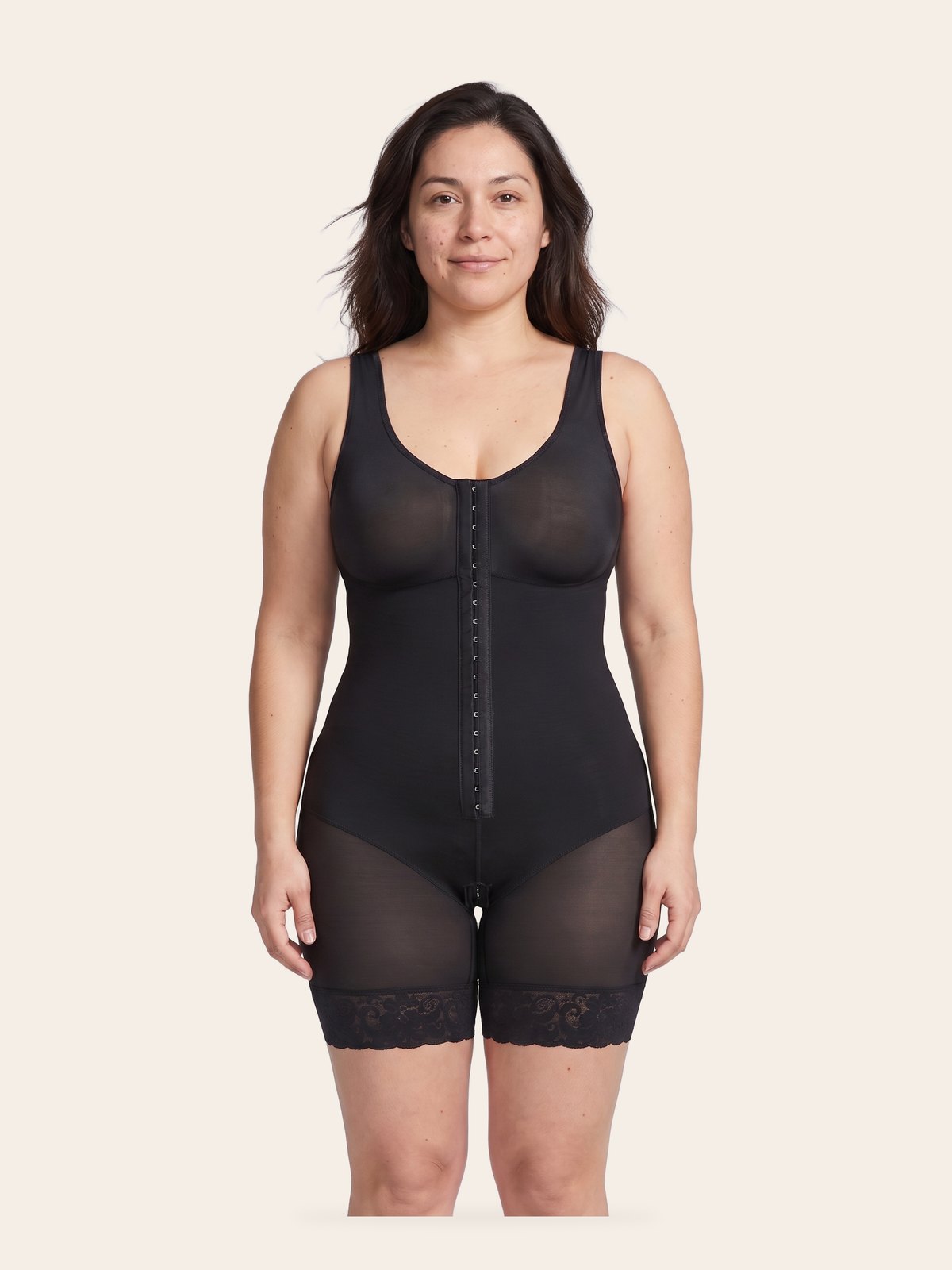
If disposables fit your week, our Disposable Nipple Covers, 100 pack are one option made for this. They are thin non-woven fabric with a light adhesive around a breathable non-stick center, in round, flower or heart shapes, for thin tops, backless dresses and workouts. They also come in The Smooth Day Kit with a faja and a shaping short.
How to make either kind stay put
ThirdLove's advice applies to both: put them on clean, completely dry skin with no lotion, oil or sunscreen, let your skin cool after a warm shower, press from the center outward and hold your palm over each cover for 30 to 60 seconds. Peel off slowly from one edge when you are done.
How to care for reusable covers
- Wash after each use with lukewarm water and a little mild soap, using your fingertips. Krvvy says to skip abrasive products and the washing machine.
- Air-dry completely, adhesive side up. Keep towels and tissues away, since fibers can reduce the grip for good.
- Store them on their original backing paper, somewhere cool and dry, away from sunlight.
- Replace them when the adhesive no longer holds on clean, dry skin or the edges lift on their own.
Mentioned here
Questions
Are disposable or reusable nipple covers better?
Neither is better for everyone. Reusable silicone covers suit people who wear them often and do not mind washing them. Disposable fabric covers suit busy schedules, travel and one-off events, with a fresh, clean pair every time.
How many times can you wear reusable nipple covers?
Krvvy says quality silicone pairs typically last 30 to 50 uses with correct care, and should be replaced when the adhesive no longer holds on clean, dry skin.
Are fabric nipple covers better for sensitive skin?
Krvvy notes that fabric and foam covers are softer than silicone and are often preferred by people with sensitive skin, and that they breathe better in warm weather. Any adhesive can still bother some skin, so test first.
Can you reuse disposable nipple covers?
No. They are made for a single use. Peel them off gently and throw them away.
How do you clean reusable nipple covers?
Krvvy suggests washing after each use with lukewarm water and a little mild soap, air-drying adhesive side up and storing them back on their backing paper.
Keep reading
Sources: Boomba: disposable vs reusable nipple covers, pros and cons · Krvvy: nipple covers 101, how to choose, use and care for them · ThirdLove: how to wear nipple covers with a backless dress