
Nipple covers and sensitive skin: avoiding irritation
Nipple covers and sensitive skin: why adhesive can cause redness or a rash, how to test a cover first, how to remove it gently and when to see a dermatologist.
Nipple covers are supposed to be the easy part of an outfit. But if your skin is sensitive, a few hours under adhesive can leave a red ring, an itchy patch or skin that stings when you peel them off. You do not have to give them up. It helps to know what is going on and to test before the big night.
A quick note: this is general skin information from dermatology and medical sources, not medical advice. If you have a skin condition or a rash that will not settle, talk to a dermatologist.
Why does adhesive irritate some skin?
When skin reacts to something that touched it, doctors call it contact dermatitis. Cleveland Clinic describes two kinds:
- Irritant contact dermatitis. The skin is irritated by the substance itself. Cleveland Clinic says it is more common and tends to come on quickly, sometimes within minutes.
- Allergic contact dermatitis. The immune system reacts to something your skin is allergic to. Cleveland Clinic notes it can take hours or even several days for the itchy rash to appear.
There is also a third, very practical cause: removal. American Nurse Journal explains that pulling off adhesive can damage skin, showing up as persistent redness, skin stripping, blisters or even bleeding. Pulling straight up puts the most force on your skin.
What does a reaction look like?
Cleveland Clinic lists the signs of contact dermatitis: a rash that may be red to purple or darker than your natural skin tone, swelling, bumps or blisters, oozing, flaking, burning and itching. A mark in the exact shape of the cover is a strong clue that the cover or its adhesive is involved.
How do I test nipple covers before wearing them?
The American Academy of Dermatology recommends testing new skin care products on a quarter-sized spot that will not get rubbed or washed, such as the inner arm or the crease of the elbow, and watching for redness, itching or swelling. Its routine is written for creams and lotions, which you apply twice a day for 7 to 10 days, so treat this as a borrowed idea rather than a medical test:
- Put one cover on clean, dry skin on your inner arm.
- Leave it on for about as long as you would wear it at an event, then peel it off slowly.
- Check the spot right away and again over the next few days. Allergic reactions can be delayed, as Cleveland Clinic notes.
- If the spot turns red, itchy or swollen, do not wear that cover on your chest.
How to wear nipple covers more gently
- Put them on clean, dry skin, and do not put adhesive on skin that is already irritated.
- Wear them for the event, not all day and night. Take them off when you get home.
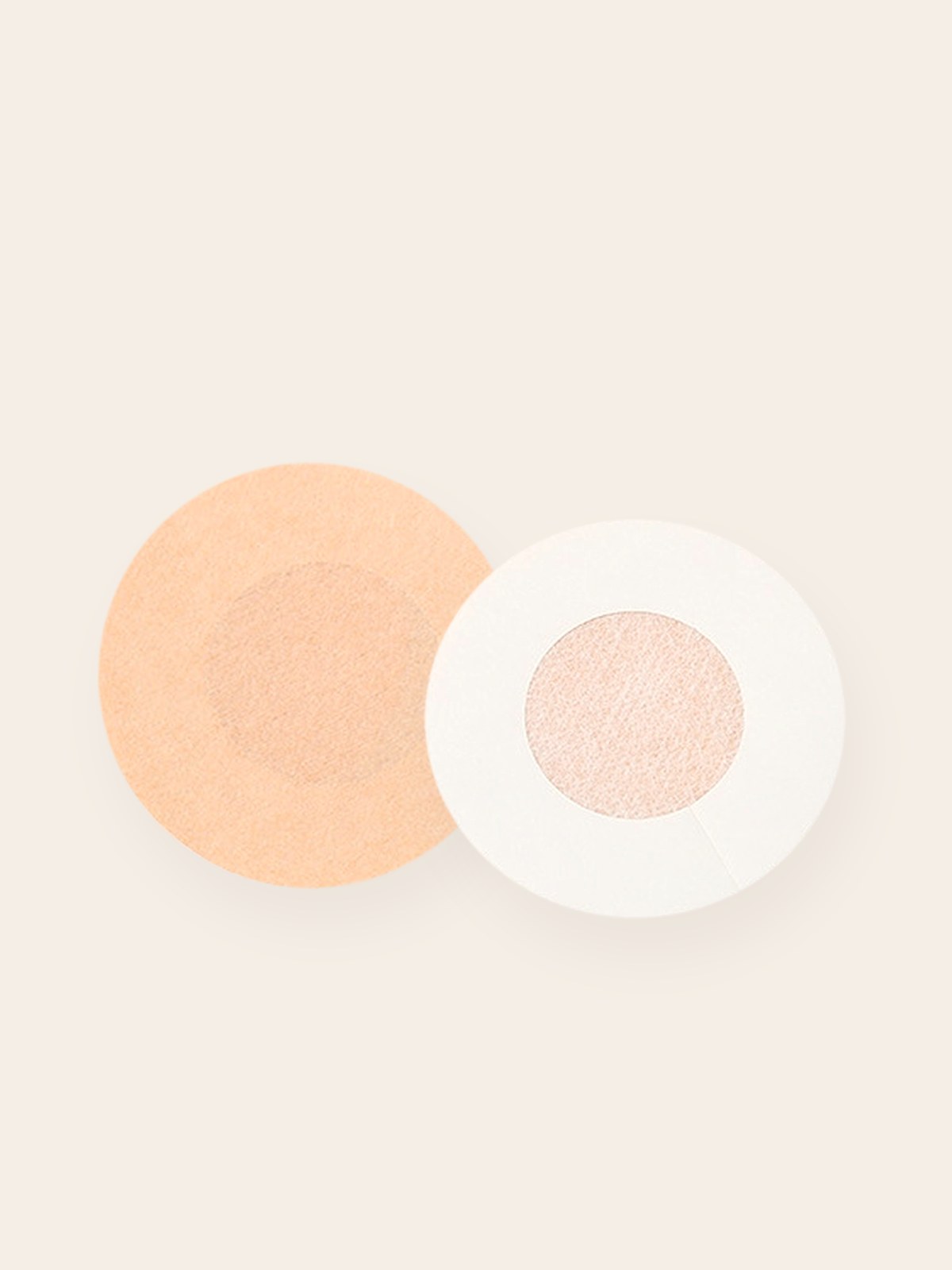
- Choose a design with a non-stick center, so the adhesive sits around the edge rather than on the nipple itself.
- If you react to one product, give your skin time to settle before trying another. Cleveland Clinic says mild cases may clear within a few days once you avoid the trigger.
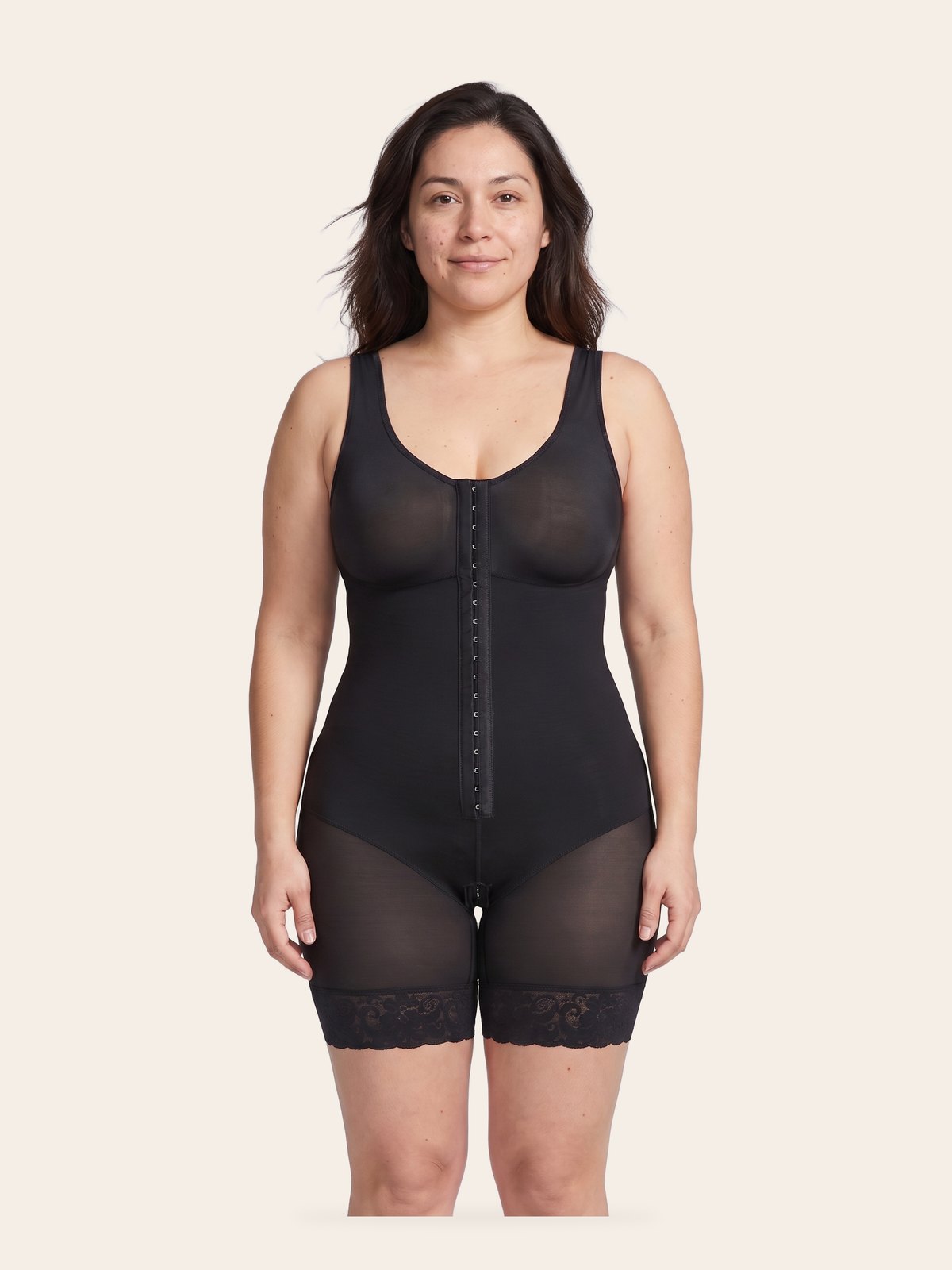
Our Disposable Nipple Covers, 100 pack are thin non-woven fabric with a light adhesive around a breathable non-stick center. They are single use, so each pair is new, and the same covers come in The Smooth Day Kit with a faja and a shaping short. We cannot promise any adhesive will suit every skin, so if yours is sensitive, test one on your inner arm first.
How do you remove nipple covers without hurting your skin?
American Nurse Journal recommends a low and slow approach for any adhesive on skin:
- Lift one edge and peel it back low and close to the skin, not straight up.
- Hold the skin next to the cover with your other hand as you go.
- Use something to loosen the adhesive if it fights you. Emollients such as mineral oil or lotion can help, and silicone-based adhesive removers are another option.
- Wash off any leftover product with soap and water.
What to do if your skin reacts
Cleveland Clinic suggests washing the area after contact, avoiding the trigger, and using fragrance-free moisturizer and gentle, fragrance-free soap. Over-the-counter anti-itch creams may help. The AAD adds that a cool compress or petroleum jelly can soothe a reaction to a product you tested.
When should you see a dermatologist?
Cleveland Clinic advises calling a healthcare provider if the rash blisters, goes away and comes back, looks infected (red, warm or swollen), hurts, itches constantly or does not improve within a week of treatment. Call 911 for trouble breathing or swelling of the lips or mouth.
If reactions keep happening and you cannot tell why, ask about patch testing. The AAD explains that a dermatologist places small amounts of common allergens on your skin under patches, usually on your back, then checks them at about 48 hours and again a few days later, about three visits in roughly a week. Knowing your trigger makes every adhesive product easier to choose.
Mentioned here
Questions
Why do nipple covers make my skin red or itchy?
There are a few possible reasons: irritation from the product, a true allergy to something in it, or skin pulled up when the cover comes off. Cleveland Clinic explains that irritant reactions tend to come on quickly, while allergic reactions can take hours or days.
How do I test nipple covers on sensitive skin?
Borrow the dermatologist approach for new products: try it on a small spot such as the inner arm first and watch for redness, itching or swelling. Allergic reactions can show up days later, so check the spot for a few days.
How should I remove nipple covers without hurting my skin?
Slowly and low. American Nurse Journal advises peeling adhesive back at a low angle close to the skin, not straight up, and supporting the skin as you go. A little lotion or mineral oil can help loosen the edge.
When should I see a doctor about a rash from adhesive?
Cleveland Clinic advises calling a provider if a rash blisters, keeps coming back, looks infected, hurts, itches constantly or does not improve within a week. Trouble breathing or swelling of the lips or mouth is an emergency.
Can a dermatologist test for an adhesive allergy?
Yes. The American Academy of Dermatology explains that patch testing can find which substances cause an allergic skin reaction. It usually takes about three visits over roughly a week.
Keep reading
Sources: Cleveland Clinic: contact dermatitis · American Academy of Dermatology: how to test skin care products · American Academy of Dermatology: patch testing can find what is causing your rash · American Nurse Journal: adhesive removal and skin injury