
The Hug Journal · Sleep ·
What to wear to bed if you sleep hot
What to wear to bed if you sleep hot: loose, light, breathable pieces, what to skip, bedding and room tips, and when night sweats are worth a doctor visit.
You fall asleep fine, then wake up at 2 a.m. kicking off the covers with your pajamas stuck to you. If you run hot at night, what you wear to bed can help a lot. This guide covers the clothes, the bedding and the room, plus when it is time to check in with a doctor.
Why do I get so hot at night?
Many things can warm you up at night. The Sleep Foundation lists a warm or humid room, heavy or insulating bedding, foam pillows or mattresses that hold heat, and body heat from a partner, kids or pets. It also mentions alcohol, caffeine and spicy food, hormonal changes like hot flashes during pregnancy or menopause, some medications and some health conditions. Often it is a mix of a few.
Your body also wants to cool down at night. The Sleep Foundation explains that core temperature starts to drop about two hours before sleep, and that warmer temperatures can cause discomfort and restlessness. So anything that traps heat works against you.
What should I wear to bed if I sleep hot?
The Sleep Foundation keeps it simple: loose, light clothing made from breathable fabrics, and it names cotton as one example. Here is how that looks in practice:
- Loose over tight. Fabric that skims instead of clings lets air move along your skin.
- Less coverage. Short sleeves, sleeveless tops, shorts or a short nightgown leave more skin open to the air.
- Light over heavy. Thin knits and light wovens beat anything thick or plush.
- One layer. Skip the T-shirt under the pajama top.
- Have a spare. If you wake up damp, a quick change into something dry can help you fall back asleep.
What should I avoid wearing to bed?
The Sleep Foundation suggests avoiding pajamas that are thick, insulating or not breathable, and names fleece and wool. Save fleece for cold rooms and winter. Tight waistbands, long sleeves and full-length pants also hold in more heat than you might expect.
A light option for warm nights
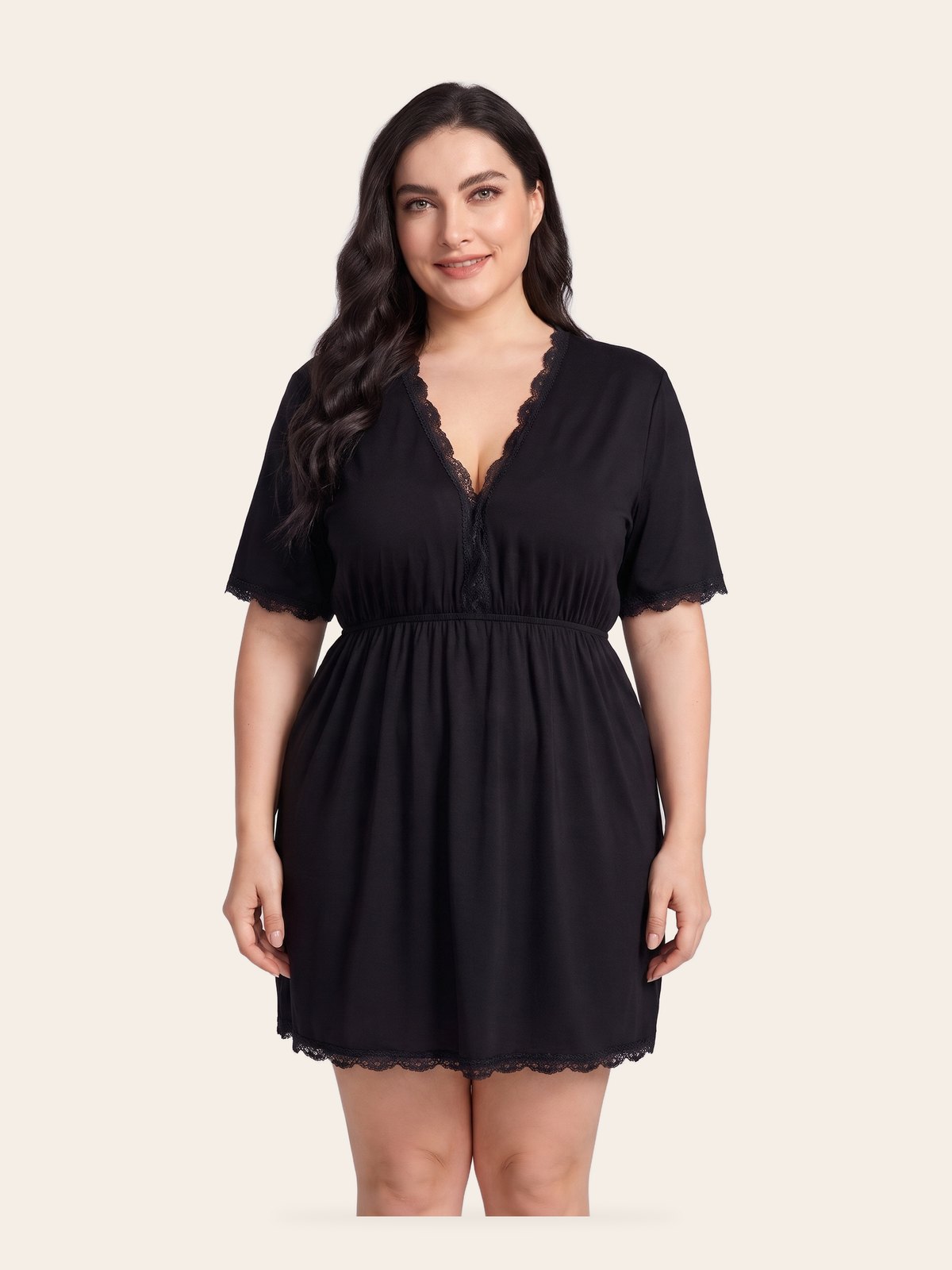
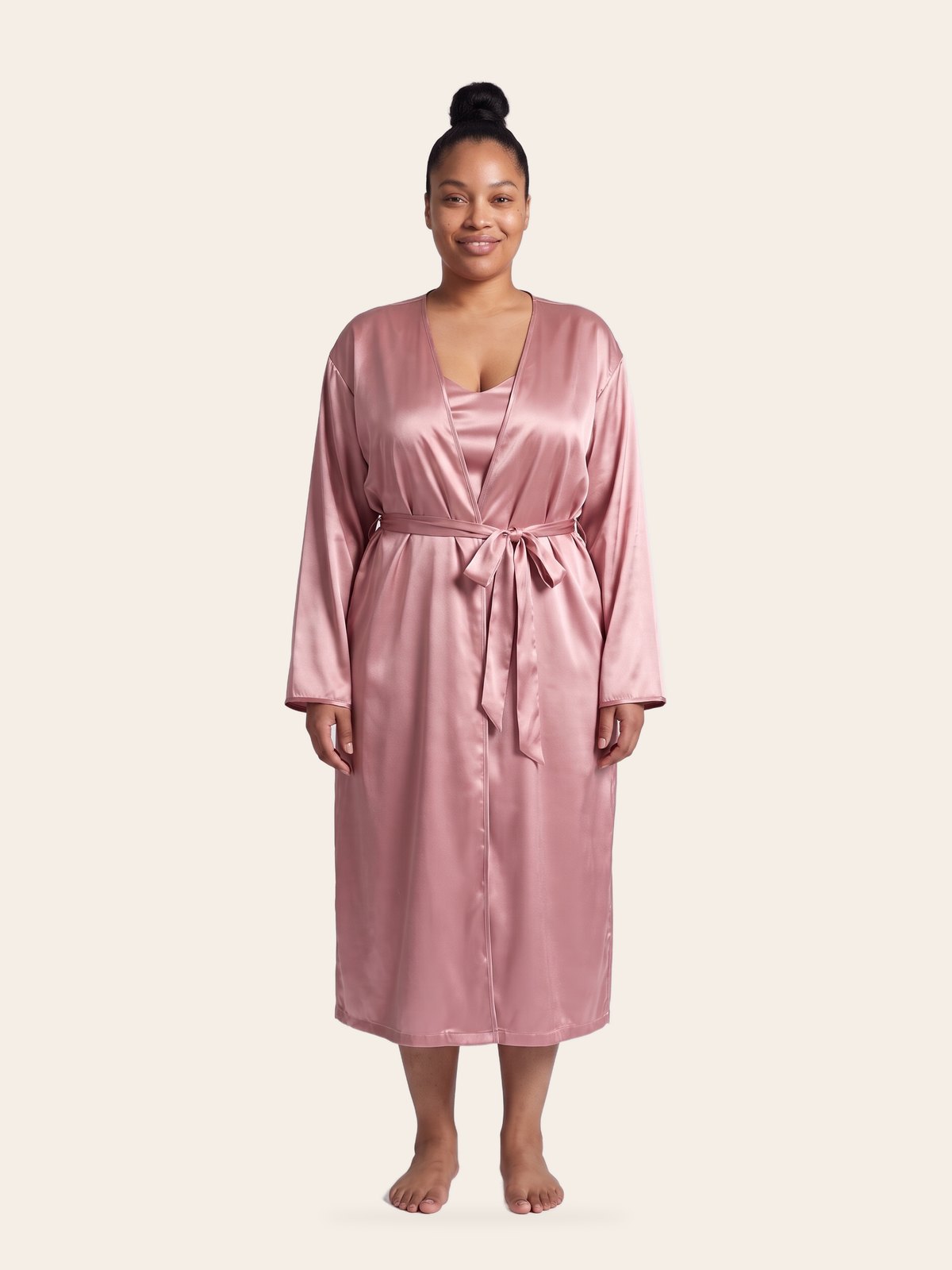
If you like sleeping in a dress, our Lace Trim Sleep Dress is one option made for warm nights: short sleeves, a V-neck, a relaxed fit gathered at the waist and an above-the-knee length, in a soft polyester knit with lace at the neckline and hem. To be honest about fabric, it is polyester, not cotton, so if cotton is what keeps you coolest, go with that. And for the walk to the kitchen, a light Satin Wrap Robe is an easy cover-up that you can slip off before getting back into bed.
What bedding helps if you sleep hot?
Clothes are only part of it. The Sleep Foundation suggests lightweight, breathable, moisture-wicking sheets, pillows and comforters, and avoiding insulating fabrics like fleece and down, which hold body heat, especially in summer. Layers on the bed are easier to adjust than one heavy comforter: a sheet plus a light blanket lets you peel back as needed.
How cool should my room be?
The Sleep Foundation says a bedroom around 65 to 68 degrees Fahrenheit is ideal for most people. Close the blinds during the day, turn the thermostat down at night and use a fan or air conditioning when it is hot. Opening a window on a cooler evening helps too.
Other habits that can help
- Take a warm bath before bed. The Sleep Foundation says it may help your body cool down afterward.
- Stay hydrated.
- Avoid caffeine, alcohol, spicy meals and intense exercise close to bedtime, as the Sleep Foundation suggests.
- If a partner or pet heats up the bed, separate blankets or more space can help.
When should I see a doctor about night sweats?
Feeling a little warm is normal. Soaking through your clothes regularly is different. Mayo Clinic says to make an appointment if night sweats happen on a regular basis, interrupt your sleep, come with a fever, weight loss, pain in a specific area, cough, diarrhea or other symptoms of concern, or start months or years after menopause symptoms ended. The Sleep Foundation also suggests talking to your doctor about heat you cannot explain. Changing your pajamas will not fix a medical cause, so do not wait it out if this sounds like you.
Mentioned here
Questions
What fabric is best for sleeping hot?
The Sleep Foundation recommends loose, light clothing in fabrics known for breathability, and names cotton as an example. It suggests avoiding thick, insulating pajamas such as fleece or wool.
Is it better to sleep naked if you sleep hot?
Some people prefer it. If you like wearing something, keep it loose and light so air can move and you are not trapped in heat.
Why do I get so hot when I sleep?
The Sleep Foundation lists a warm or humid room, heavy bedding, heat-trapping mattresses and pillows, a partner or pet, late caffeine, alcohol or spicy food, hormones like menopause, some medications and health conditions.
When should I worry about night sweats?
Mayo Clinic says to see a provider if night sweats happen regularly, interrupt your sleep, come with fever, weight loss, pain, cough or other worrying symptoms, or start months or years after menopause symptoms ended.
Keep reading
Sources: Sleep Foundation: why do I get so hot when I sleep? · Mayo Clinic: night sweats, when to see a doctor · Sleep Foundation: the best temperature for sleep